Category: Waste Reduction and Prevention

  • A few choices can make your day a sustainable action day

    A few choices can make your day a sustainable action day

    Photo Credit: Getty Images / iStockphoto

    If you really want to make a difference in your daily life, take into consideration small but meaningful actions that, if multiplied, can drastically change the impact our Western society has on the environment. The impact that our Western society leaves on the planet is impressive compared to that of the Global South.

    I am firmly convinced that major changes need to be made at the global economic level and that, overall, economies like China and the USA must act quickly to shift their capitalistic economies to a more sustainable, local and regenerative economy where the common good and the environment are at the core of it.

    However, I am persuaded that since the policy worldwide has failed, grassroots initiatives may bring that change.

    We can send the signal that we are no longer interested in globalisation, and we can choose to reduce our footprint at scale by choosing sufficiency, purchasing locally and responsibly.

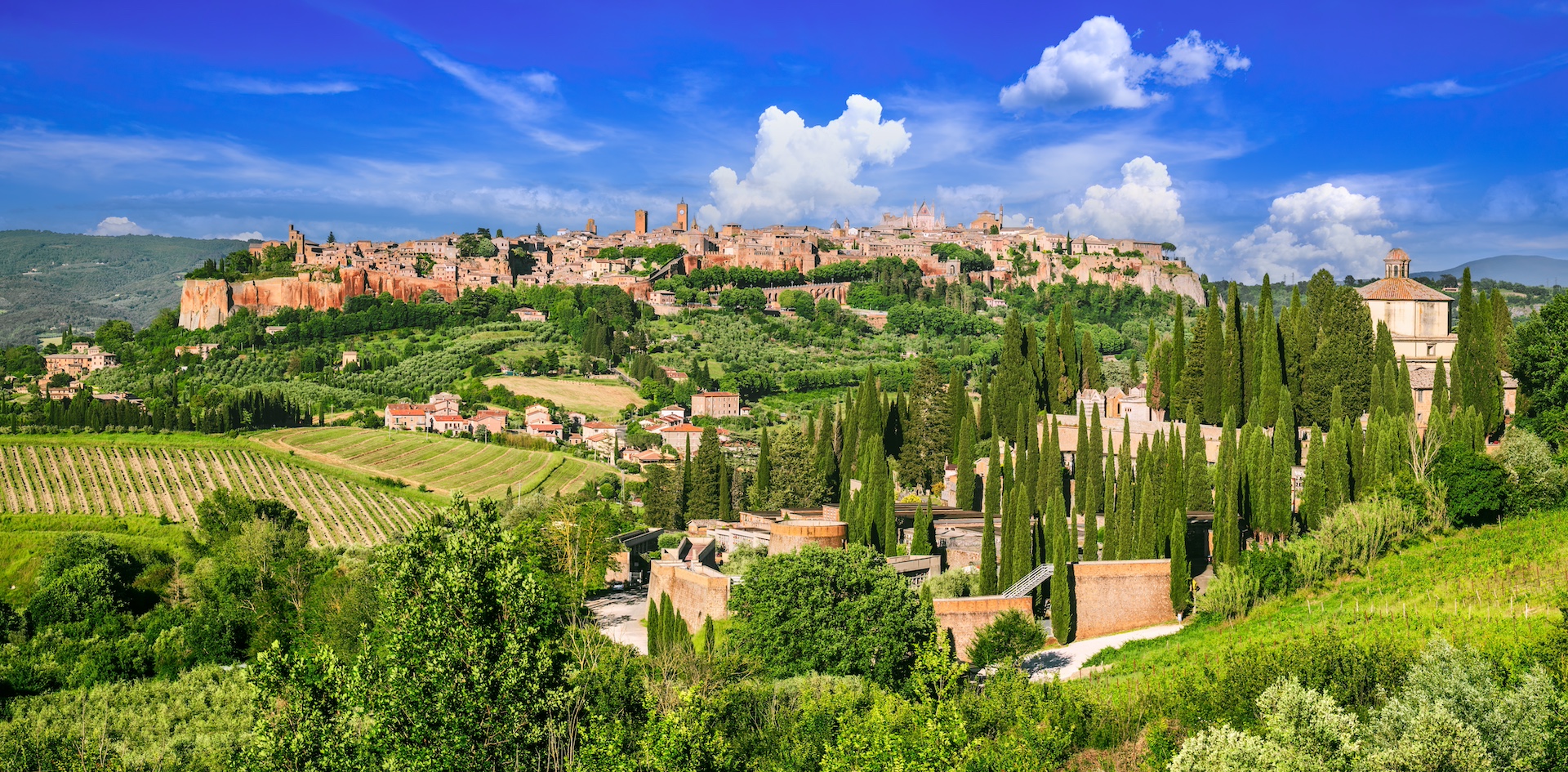
    I am very happy I decided to move back to Italy, to what I call the cradle of art and craftsmanship, beauty and culture, where small communities still exist to help each other and small and medium enterprises persist.

    When I came back to Italy, I chose a very green region at the heart of it, and now I am even more sure that this was the right choice. Here I describe a typical day for errands, after which I realised that through all these commissions, I have avoided global giants and significantly reduced my impact compared to what it might have be if I’d chose to buy a new sporting bag, a new watch, a cheap made in Asia pyjama, some industrial Carnival sweets and a pack of plastic bottles of water at the supermarket. Instead, I:

    • Had my son’s sporting bag repaired, sewn by the local tailor, as it was completely unstitched in several points. The work was perfectly done > This led to a new bag for only 12 euros and no waste generated, and the promotion of a local handicraftsman.
    • Had my watch battery changed for only 6 euros. This led to no waste generated, promoted the local economy and handicrafts.
    • Purchased a pair of pyjamas for my son, 100% cotton, made in Italy, in a local shop. The brand factory is only one hour away from where we live > greenhouse gas emissions are saved from transportation, promoting the local economy while selecting natural materials over synthetic.
    • Bought handmade Carnival sweets at the local bakery > I chose a Km 0 product, reducing greenhouse gas emissions, avoiding useless plastic packaging, no waste generated and promoting the local economy.
    • Refilled four bottles of water at the Tap water fountain for public use > saved plastic bottle consumption and dispersion, no waste generated, prioritising our health and that of the environment.
    • Bought eggs, flour, honey and vegetables from a local organic farmer. Choosing Km 0 products reduces the overall greenhouse gas emissions and pesticide use, promotes the local economy and enhances animal welfare through small open-air farming.

    And you, what can you do locally to lighten your footprint?
  • Virtuous Initiatives by Italian Municipalities

    Virtuous Initiatives by Italian Municipalities

    Some municipalities in Italy have implemented praiseworthy initiatives that go beyond the simple act of recycling, implementing real alternatives to the disposable or recycle cycle.

    The entire recycling process, from waste sorting to material processing centers, has a significant environmental impact, ranging from the extraction and exploitation of resources to the release of CO2 through the transportation and manufacturing process of plastic. Compared to so-called sustainable alternatives, where one material is simply replaced by another leaving the same footprint, breaking out of this cycle is a major step in the right direction.

    Millions of people around the world still buy crates of plastic water bottles, either because their tap water is undrinkable or simply for reasons of taste.

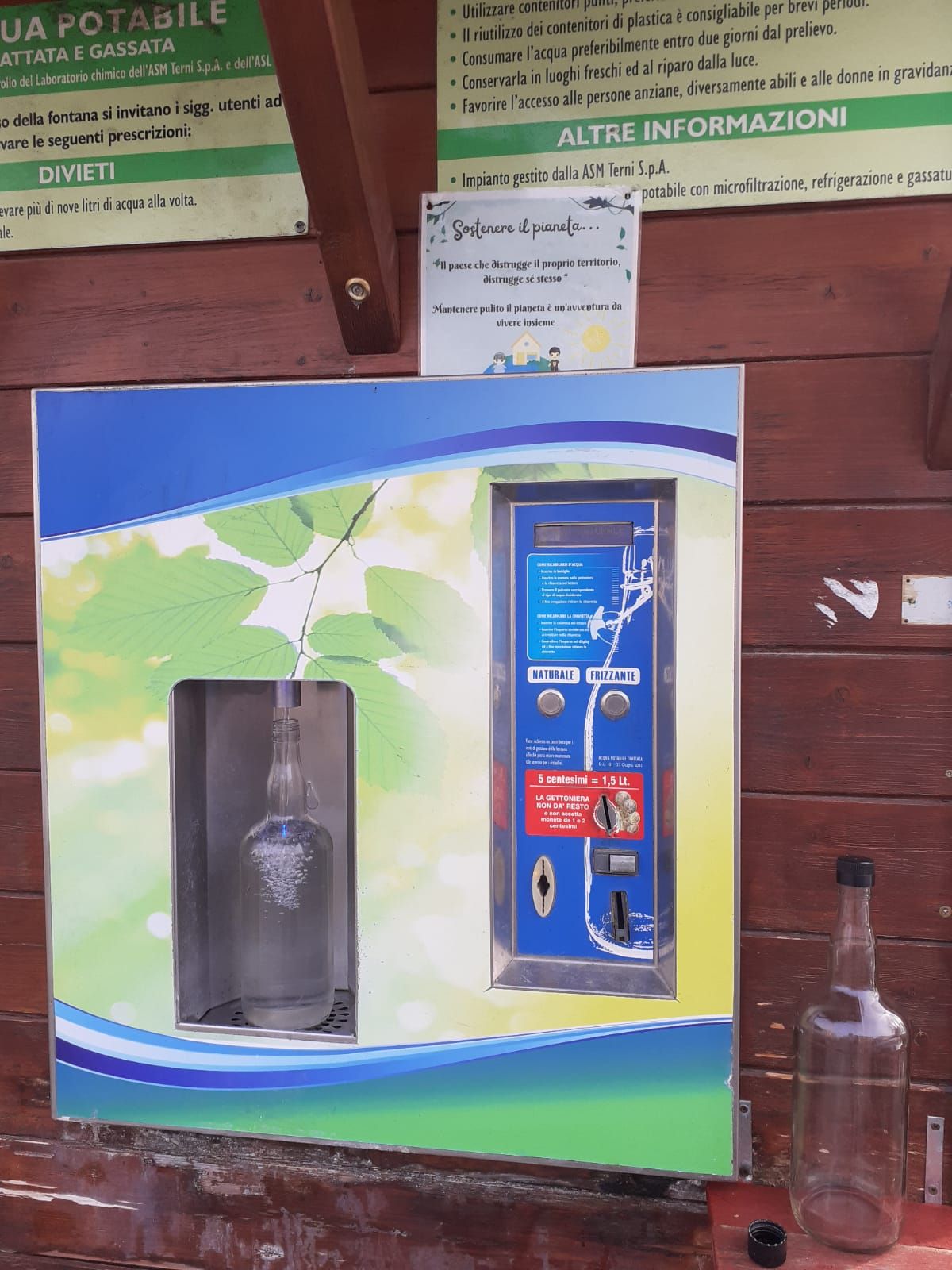
    In the provinces of Terni and Aosta some of the municipalities, for example, have made fountains and kiosks available to residents, dispensing still and sparkling drinking water at a cost of 5 cents per 1/2 liter.

    The initiative has been well received by the residents, tired of having to manage countless plastic bottles disposed after a single use.

    Some retailers in the province of Terni sell special 1/2-liter glass bottles that can be refilled in these dispensers and reused endlessly by consumers.

    This involves:

    • The elimination of plastic bottles from the drinking water supply chain and their post-use management.

    • On a large scale, it can lead to a reduction in plastic production.

    A call for municipalities: Let’s praise and encourage these initiatives all over the national territory, as well as the fostering of regular domestic water tap controls.  

  • Textile History and Archaeology

    Textile History and Archaeology

    Having a fair background in history and archaeology helps to understand present days. I always say, we learn from the past to understand the present.
    Did you know that second hand clothes shops are attested since the XIII century in France?

    They existed in Paris and other cities, it’s an urban habit but was surely present in the country side. In fact, the second-hand garment was the common way to procure clothes at that time. Second hand shops sold and rented clothes. Following the changing fashion, the rich class would get rid of their clothes to pass them over to their servants after being sewn up or transformed, or sold to second hand merchants. Religious charities took care of the most vulnerable and poor.
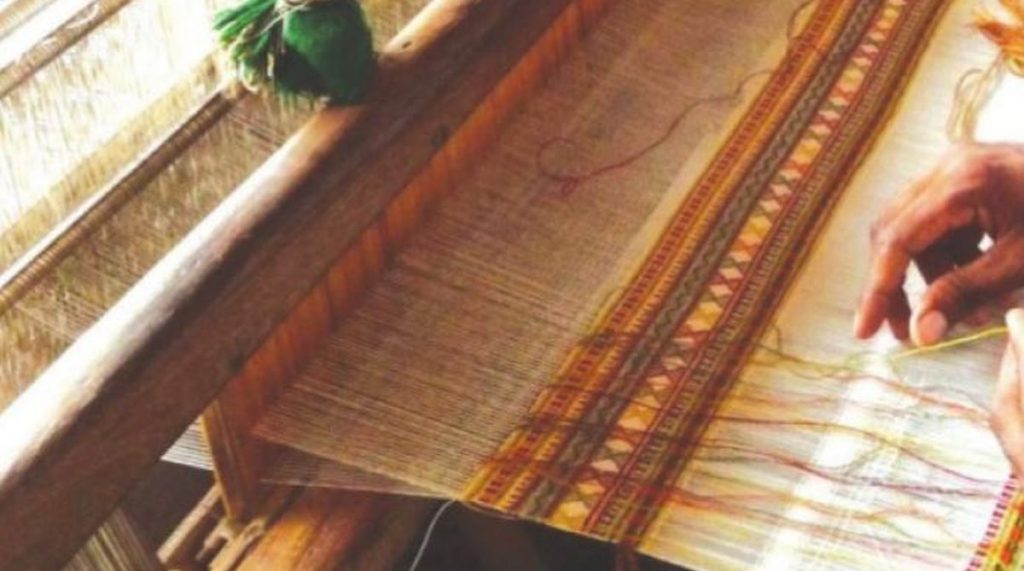
    Like many other goods, until the XX century, clothes were not dumped. They were integrated in a recycling economy and they were worn till their very end. XVI century French inventories attest that garments were disassemble to reuse them elsewhere, re-dye and insert them in another circle. It was a trade of pieces to replace, refill or reuse as raw material.To dye the textile, natural colorants were used, that would degrade in nature with time.

    The most commonly used:

    Red was the color of imperial, royal and ducal robes, so it was worn mainly by rich people. The red color was obtained from the insect Kermes Ilicis.
    Brick red, on the other hand, was obtained from madder, which was a low-cost dye and, for this reason, was widely used for the most common fabrics.
    Purple, similar to red, was obtained through murici, marine molluscs.
    Violet was obtained from blackcurrants or common poppies.
    Brown was inexpensive and therefore widely used, especially by the lower classes. It was obtained by macerating the leaves, bark, flowers and roots of plants.
    Green was also a very popular pigment. It was mainly obtained from verdigris.
    Yellow had negative meanings and, for this reason, was rarely used. Yellow was obtained from saffron stigmas, chamomile or blackberries.

    (Photo The Statesman)

  • History of Waste

    History of Waste

    Have you ever wondered how the human waste was managed before the plastic even existed?
    Let’s consider the waste composition till the 20th century: according to what archaeologists mostly find during excavations, it contained food waste, used clothes made of cotton, linen, wool and leather; shoes made of wood and leather; broken pottery; animal bones or rests; broken furniture. All of this was usually thrown in landfills, pits, or channels throughout the city, or collected by a dedicated service. The accumulation of different types of waste generated stench and spread diseases or viruses throughout the circulation of rodents, posing risks to human health. Nevertheless, we have no evidence of a permanent impact on the environment.

    Did you know that:

    • The first attested mention of “making compost for agricultural use” dates back to the Akkadian empire, in the Middle East, back to 2350 BC. (Source)
    •  In ancient Greece, people living in cities were supposed to carry their garbage out of town to specific deposits.
    • The Ancient Romans were the first to create the world’s earliest sewage system, the Cloaca Massima, it began as an open-air canal which drained the water and removed the waste from the city, then became a larger construction later in time.  (Source). The Cloaca emptied into the Tiber River, thus polluting the drinking water used by the Romans. Aside from this system, another was paying collecting service that carried on chariots the garbage of houses not connected to the sewer out of town. (Source)
    • In the middle age, there was no system, the population was rare and there was a lot of space where dispose the rubbish, out of towns or fortresses.
    • In the late 17th century, in New Amsterdam (now New York) the first law was issued to punish littering: it was prohibited to throw or leave waste in the streets. (Source)
    • In 1757 Benjamin Franklin organized a first cleaning service, encouraging people to dig pits to get rid of their waste. (Source)
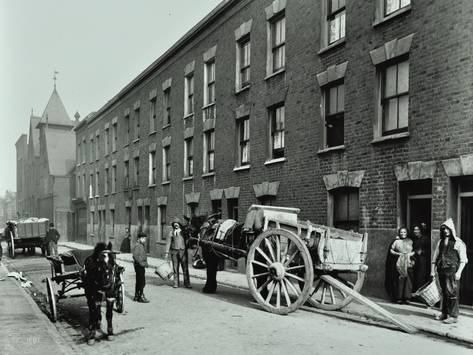
    • In the 19th century London introduced the first municipal waste collection system, “dustmen” were employed to remove the trash from homes and streets, bring it to a central depot and finally into a landfill. (Source)
    • The first time an incinerator was used as a waste management method, was in 1874 in the UK, followed by the USA. (Source)

    (Photo ” Dustmen and Dust Cart in Beckett Street, Camberwell, London, 1903″, Heritage Images)